The groups I have worked in and the programme that funded the doctorate, with what each one gave me.
Doctoral programme, 2022 to 2026
DESTINY, Marie Skłodowska-Curie COFUND
Doctorate programme on Emerging battery Storage Technologies INspiring Young scientists: a Horizon 2020 MSCA COFUND programme (grant agreement 945357) coordinated by the CNRS that trained 50 doctoral researchers across Europe between 2020 and 2026. It is aligned with the Battery 2030+ roadmap and built on the ALISTORE European Research Institute network, gathering some 20 universities, research centres, large-scale facilities and industrial partners from 11 countries. Each fellow combines a host laboratory with secondments elsewhere and a programme of scientific and transferable-skills training schools.
My part: second cohort, hosted at IMN Nantes with two secondments at Uppsala University; training schools with Umicore, CIC energiGUNE and IMN.
destiny-phd.eu · CORDIS record
Host laboratory, Nantes, France
Institut des Matériaux de Nantes Jean Rouxel (IMN), ST2E team
A joint CNRS and Nantes Université research unit (UMR 6502) founded in 1988 by the solid-state chemist Jean Rouxel, and one of the largest materials research centres in France with more than 150 researchers and staff. I worked in the ST2E team (Stockage et Transformation Électrochimiques de l'Énergie), which studies the materials and mechanisms behind batteries, supercapacitors, fuel cells and electrolysers. Within it, Prof. Philippe Poizot's group is known for organic electrode materials and greener battery chemistries.
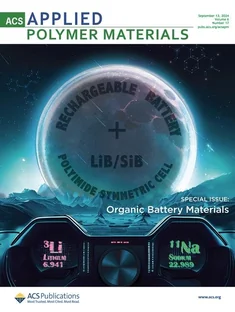
My part: doctoral research on solid polymer electrolyte Li-organic cells, from material synthesis to cell diagnosis and end-of-life recovery, supervised by Prof. Philippe Poizot and Dr Stéven Renault.
ST2E group · cnrs-imn.fr
Secondment host, Uppsala, Sweden
Structural Chemistry, Department of Chemistry, Ångström Laboratory, Uppsala University
Home of the Ångström Advanced Battery Centre, one of Europe's largest academic battery research environments. The Structural Chemistry programme led by Prof. Daniel Brandell has a long record in polymer electrolytes, from molecular-dynamics modelling to polyester and polycarbonate solid electrolytes for lithium-metal cells, and works closely with the vehicle industry.
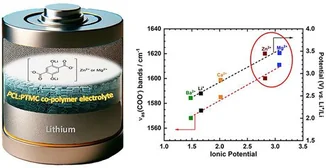
My part: two DESTINY secondments (2023 and 2025) preparing and characterising PCL-PTMC/LiTFSI solid polymer electrolytes and integrating them into lithium-metal coin and pouch cells.
Polymer electrolytes, Uppsala
Collaboration partner, Ulm, Germany
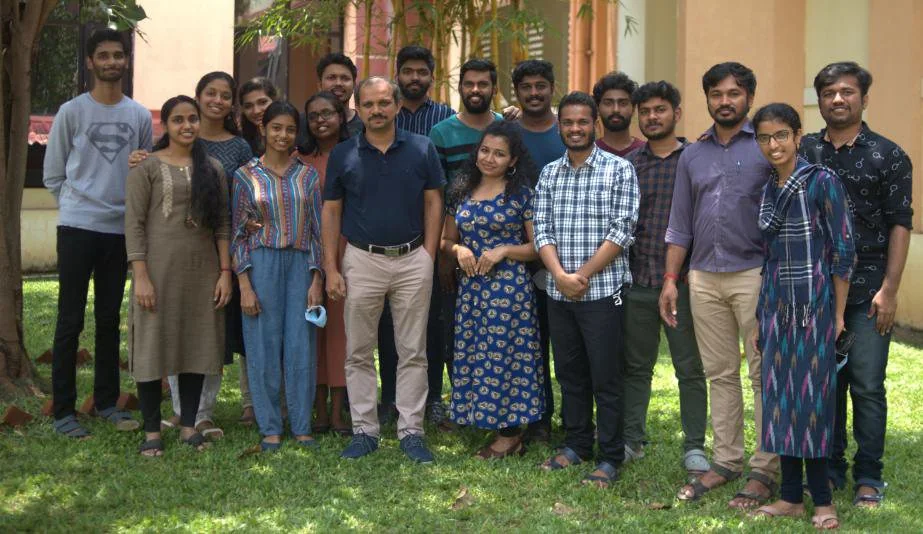
Prof. Birgit Esser's group, Institute of Organic Chemistry II and Advanced Materials, Ulm University
The Esser group develops organic electrode materials for post-lithium and all-organic batteries, in particular redox-active polymers such as phenothiazine and super-electron-donor systems. The ANR-DFG ORGANION project is a Franco-German collaboration between this group and IMN Nantes on anion-insertion batteries: Ulm designs and synthesises new organic host structures, Nantes evaluates their electrochemistry and ageing mechanisms.
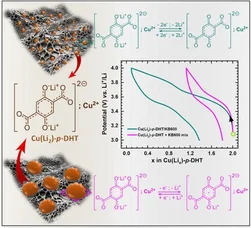
My part, carried out at Nantes: electrochemical screening of partner-synthesised redox polymers, electrode processing, porous-carbon composites that limited dissolution, and reporting back to the Ulm team. Co-author of the resulting Small paper.
Institute of Organic Chemistry II, Ulm
Undergraduate and Master's research, Kerala, India
Shaijumon Research Group, School of Physics, IISER Thiruvananthapuram
Prof. M. M. Shaijumon's group works on multifunctional nanomaterials for energy storage and conversion: lithium, sodium and potassium batteries, organic electrodes, solid-state batteries, supercapacitors, and hydrogen generation by electrocatalysis. The group also heads the DST-IISER Thiruvananthapuram centre for solid-state battery technology.
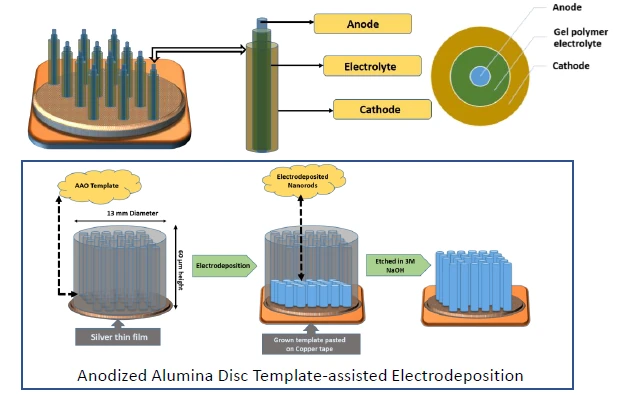
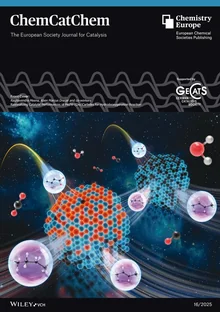
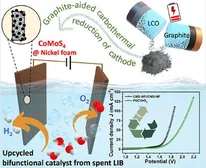
My part, 2018 to 2022: kaolin-derived silicon and waste-derived composite electrodes, micro-coaxial battery architectures, chemically modified carbons for electrocatalysis, and the acid-free upcycling of spent LiCoO₂ into a water-splitting catalyst.
Shaijumon Research Group
Research internship, Bangalore, India, 2019
Department of Instrumentation and Applied Physics, Indian Institute of Science
IISc is India's leading research university, and its Department of Instrumentation and Applied Physics hosts thin-film deposition and device-characterisation facilities. Under Dr K. R. Gunasekhar I was introduced to vacuum deposition and the electrical testing of thin-film devices.
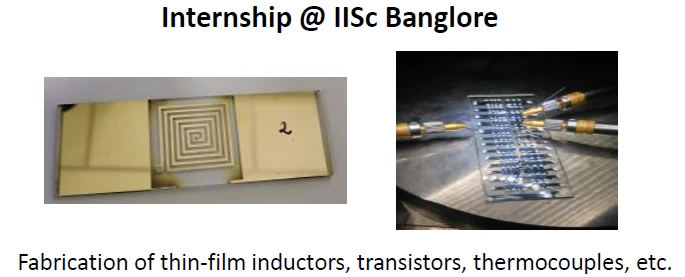
My part: reactive magnetron sputtering, e-beam and thermal evaporation of metal and oxide films; LCR, impedance and probe-station measurements on thin-film inductors, transistors and thermocouples.
iap.iisc.ac.in
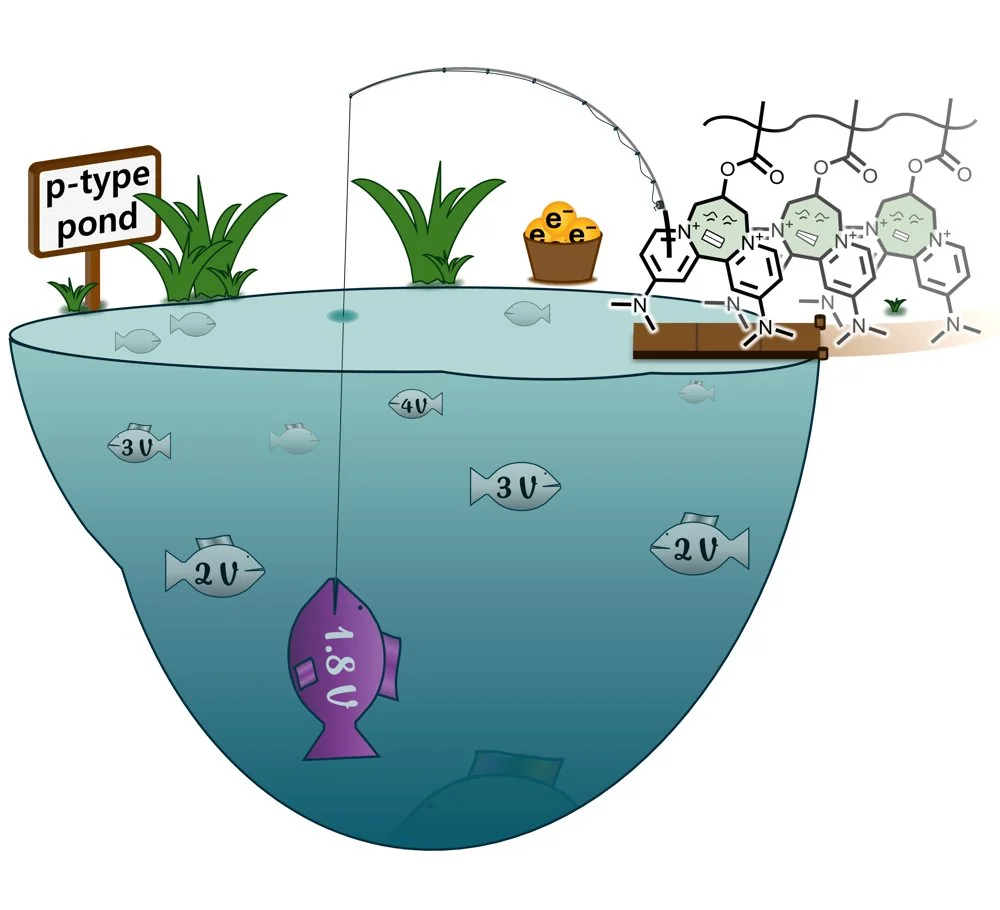
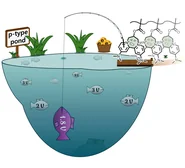
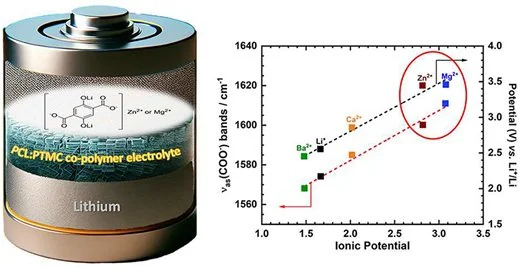 Graphical abstract of the related article. Tap to enlarge.